

Our Impact & Rock Crushers


Test Before You Buy™
The Stedman Testing and Toll Processing Facility is the place to test your material in our full size equipment. If it can be crushed, ground, pulverized or mixed, chances are we’ve done it. We have more than 10,000 test reports to help get you to the best solution quickly. To learn more about what to expect from testing, read our article that ran in POWDER BULK ENGINEERING magazine.
Rock Crusher Manufacturer
As a trusted aggregates crusher manufacturer, every Stedman crusher is engineered for a maximum feed size, target output size, and total capacity, but selecting a crusher on these criteria alone is merely half the task. These can be used as a aggregate crusher, mineral crusher, asphalt crusher and many more. Every size reduction project requires evaluation of the complete process to maximize production and keep operating costs low. From start to finish Stedman provides you with the information to make the correct choices for your processing needs.
Features & Benefits
- Primary, secondary and tertiary impactors available
- Industry-leading rotor designs
- Easy maintenance
- Front and rear opening housings on HSI Impactors
How does an impact crusher work?
Feed enters the crushing chamber and meets the breaker bars or plates, propelling feed against the breaker plates, resulting in impact reduction. There are no screens or grates holding material inside impact crushers, so material is efficiently processed at high rates for low costs.
Not sure what crushing method best suits your material? Schedule your testing today!
How can I tell if my material can be crushed with an impactor?
Before this question can be addressed, we need to first determine if the material is friable. When we're talking about dry material processing, friable means a material will break before it bends. Thousands of materials are successfully crushed with impactors using many different equipment variations.
There are also many friable materials that aren't well suited to impact crush. Granite, for example, is friable but too hard, making impact crushing more expensive than other types of crushing. Stedman Machine has extensive experience crushing a variety of materials, a testing facility with full-sized equipment, and more than 10,000 test reports to help you determine what type of equipment is best for your needs.
Contact our experts today to discuss your specific application!
Industries We Serve
Our impact crushers and size reduction equipment are found across a broad range of processing industries. The ten most common include asphalt, aggregate, energy, brick and clay, mining, food waste, agricultural processing, herbs and spices, distilleries, and fertilizer production. In fact, it would be easier to list the industries that don’t employ some type of size-reduction equipment! If your operation processes a friable dry material at volume, there is a meaningful chance we have a test report on file for something close to what you are running.
Asphalt Crushers

The HSI, asphalt crusher, specifically engineered for the asphalt industry, reduces RAP to the required size quickly and easily for further processing.
Rock & Aggregate Crushers
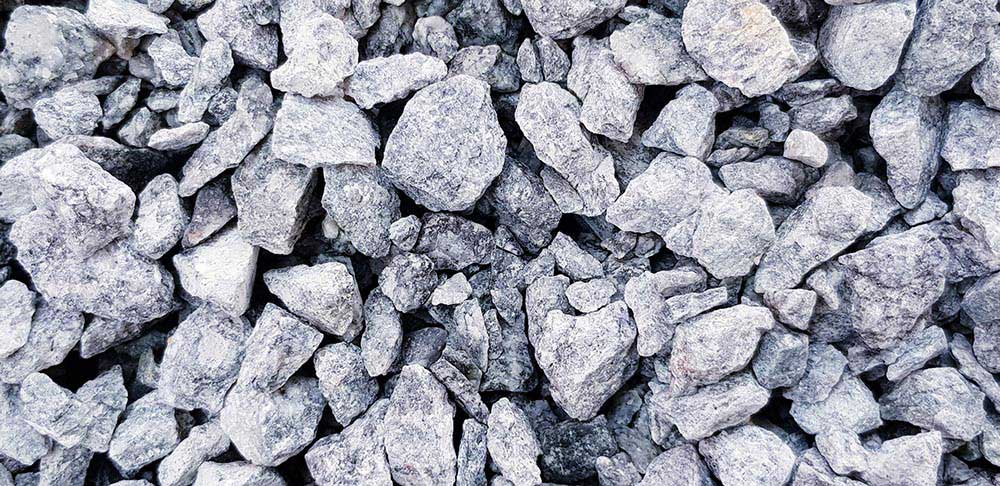
Specialty uses of limestone include the manufacturing of pharmaceuticals, toothpaste, paint, paper, caulking, and glass.
Energy & Biomass Pulverizers
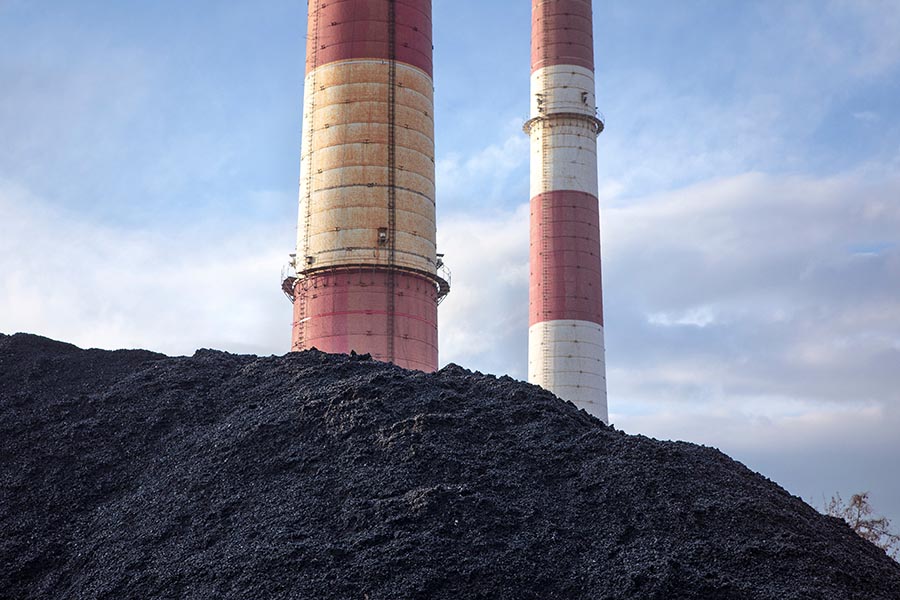
One of the first uses for the cage mill was as a coal pulverizer. By 1900 Nathan Stedman had built more than 100 cage mills designed to crush coal.
Ceramic & Brick Clay Crushers
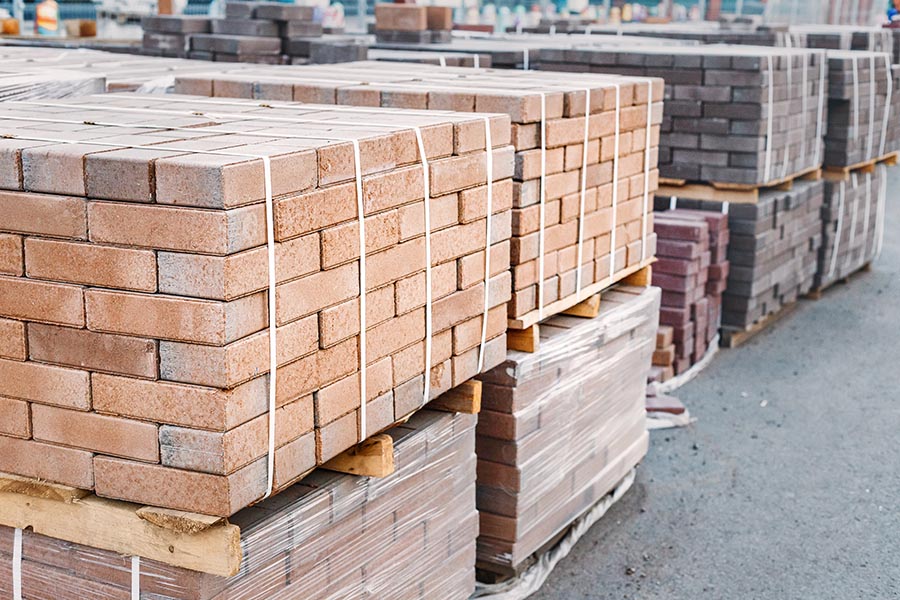
Stedman revolutionized material preparation for the brick, clay, and ceramic industries by introducing more cost-efficient processes.
Size reduction for a variety of minerals
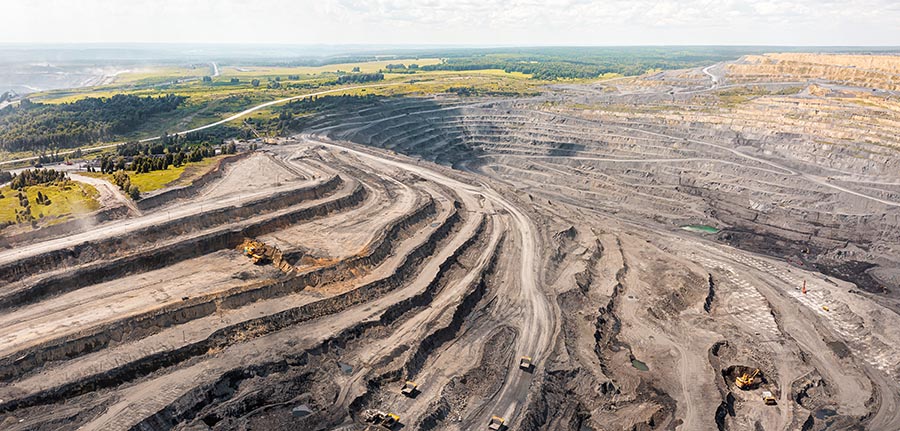
Stedman crushers, mills, and grinders are used in nearly every mineral and mining industry. Whether you are processing coal, rock, salt, iron ore, wood chips or clay, we have your solution to size reduction.
Industrial Food Rendering Crushers

Stedman ensures nothing goes to waste by delivering reliable, durable pulverizers and crushers perfect for handling food waste and food rendering.
Agricultural Crushers
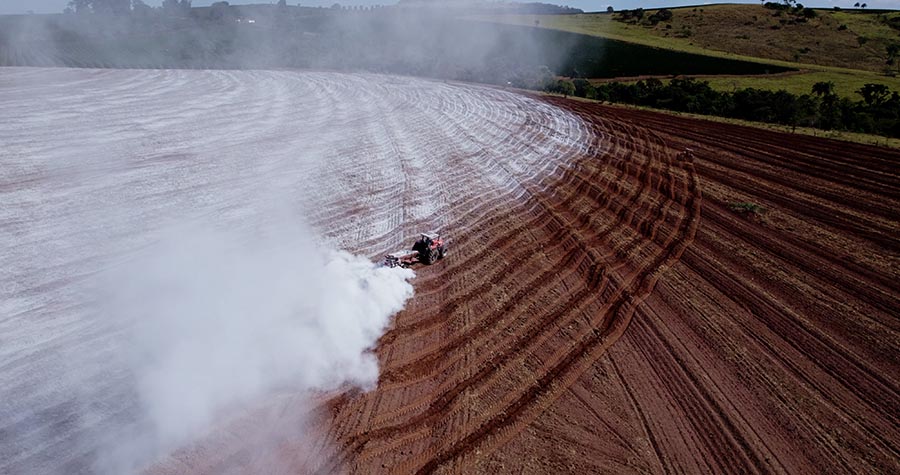
Stedman delivers high-performing pulverizers crushers perfect for agricultural uses including crushing lime, processing animal feed, and reducing grain corn.
Industrial Herb & Spice Crushing Equipment

Stedman delivers high-performing, low-maintenance pulverizers crushers ideal for large-scale grinding, milling, and processing of herbs and spices.
Grain Processing Equipment for Distilleries

Stedman delivers high-performing, low-maintenance pulverizers & crushers ideal for large-scale grinding and milling grain and corn to supply distilleries.
Fertilizer Crushing Equipment

Stedman’s reliable, durable lump breakers, chain mills, and cage mills are expertly engineered, sturdily constructed, and rigidly tested to meet the specifications you require for heavy-duty fertilizer processing and size reduction.
Why Choose Stedman?
We have been engineering size reduction equipment since 1834. Every impact crusher we build is engineered to a specific maximum feed size, target output size, and total throughput capacity, and every project starts with a full process evaluation rather than a product recommendation based on specifications alone. Our testing facility with full-sized equipment, our library of more than 10,000 test reports, and our 24-hour parts and service department are the three operational commitments that back every machine we sell.
Delivering the Equipment and Service You Deserve
For nearly two centuries, Stedman Machine Company has produced quality, reliable, and durable size reduction and industrial crushing equipment. Stedman has expert field service and installation technicians ready to assist with all maintenance and equipment commissioning needs.
- Unsurpassed industry experience – operating since 1834
- State-of-the-art equipment testing facilities
- Dedicated, professional staff
- Parts and service available 24 hours a day
International Capabilities
Stedman Machine is a leading cement crusher manufacturer with the capability to provide customer service across the globe. Our experienced team will work with you to create the best impact crusher system to make your processes the most efficient. Call us for more information!

Crusher Resources

Frequently Asked Questions
A jaw crusher compresses material between two angled plates, one fixed and one moving, breaking it under sustained pressure. An impact crusher relies on kinetic energy, accelerating feed into breaker bars and plates where it fractures on contact rather than under continuous force. Jaw crushers tend to perform better with highly abrasive or very hard stone because the compression-style wear surfaces hold up longer under that kind of stress. Impact crushers produce a more cubical product and handle a broader range of material types efficiently, but wear rates increase sharply with highly abrasive feed. The right choice depends on your material's hardness, abrasion index, and what the finished product specification requires for shape and gradation.
A primary impact crusher handles the first stage of size reduction, taking the largest raw feed sizes and breaking them down to an intermediate size for downstream processing. A secondary impact crusher processes that intermediate material into a more refined output with tighter gradation control. The Mega-Slam™ is our primary HSI, and the Grand-Slam™ handles the secondary stage. The two machines differ in feed opening dimensions, rotor size, breaker plate configuration, and the degree of output size precision they are designed to deliver.
Impact crushers are designed for dry material processing. Wet or sticky feed can accumulate on rotor components and breaker plates, reducing throughput and driving wear beyond acceptable levels. If your material carries significant moisture or surface stickiness, it may need to be predried before entering the crushing circuit, or a different size reduction method may be more practical altogether. Our testing facility can evaluate a sample of your material and identify any processing complications related to moisture content before you make an equipment decision.
On an HSI crusher, the primary wear components are the blow bars, which are mounted on the rotor and absorb the direct force of incoming feed, and the breaker plates that line the crushing chamber wall. On the V-Slam™ VSI, the main wear parts are the rotor tips and the anvil ring or rock shelf. Replacement intervals depend on material hardness and abrasiveness, as well as feed rate. The practical signal for replacement is regular dimensional measurement of blow bars and breaker plates against the manufacturer's minimum thickness specification. Running worn blow bars does not just reduce crushing efficiency. It allows feed to contact the rotor body directly, which can cause significantly more expensive damage. Stedman's 24-hour parts department stocks wear components, so replacement parts are available without extended lead times when your schedule requires fast turnaround.
Breaker plates are suspended in the crushing chamber at adjustable angles relative to the rotor. Moving a plate closer to the rotor path increases the intensity and frequency of impact events, which produces a finer output. Widening the gap between the plate and the rotor allows material to exit the chamber earlier in the process, resulting in a coarser product. This means output gradation can be shifted during operation without changing wear parts or stopping the machine for a hardware swap. For operations that need to produce more than one product specification from the same machine at different times, breaker plate adjustment is the primary control mechanism.
Yes. Impact crushers are used throughout mining for mineral liberation, ore processing, and sized product preparation. The determining factor is not the industry but the material itself. Softer, more friable minerals process efficiently in impact crushers. Materials with a high silica content or Bond Work Index that indicates extreme hardness will cause wear rates that make impact crushing uneconomical, regardless of the industry. We have test reports covering a wide range of mining-related materials and can assess your specific ore or mineral feed against that history to give you a direct answer rather than a general one.
Our impact crushers operate across aggregate quarrying, asphalt recycling, energy, brick and clay, mining, food processing, agricultural processing, distilleries, fertilizer production, and herbs and spice processing, among others. Size reduction is a processing requirement in a wide range of industries, and the common thread is that the material needs to be friable and compatible with the high-velocity impact forces our machines generate. If you are unsure whether your industry or specific material is a fit, the most direct path is to submit a sample for testing at our Aurora, Indiana facility.
Contact Us
Our 24 hour parts and service department along with our inventory of wear parts allow us to provide the fastest response time for parts and service.