

Stedman Machine Cage Mills
Stedman’s range of multi-cage mills and pulverizers includes the H-Series, F-Series for sticky, high moisture and Y-Series designed for less abrasive material applications. In general, the larger the pulverizer, the larger the feed size it will accept and the greater capacity it will produce. Capacity also depends on upon the speed at which the mill is operated, the feed size and its specific gravity, and the size of the desired product. Cage mills work by reducing the material they are fed to predetermined smaller sizes by striking repeatedly with cage pins and throwing the particles at high speed against each other, against the cage mill housing and against the other pins.
Industrial Pulverizing Equipment Features & Benefits
Cage mills are mechanical impact machines that crush, grind, or pulverize a variety of materials to specified degrees of fineness. They can be configured in two-, four-, and six-row designs depending on the specific application needs and are commonly used to pulverize industrial materials including coal and agricultural limestone.
- Up to 40:1 Reduction Ratio
- 2 to 7 Hp per ton
- Tertiary crusher: for fine material
- Wet & sticky material is NOT a problem
What is a Single Row Cage Mill?
Single-row mills, although normally classified as secondary crushers, are designed for heavy-duty crushing, frequently of hard and highly abrasive materials, although their versatility makes them valuable for the reduction of many kinds of materials. They are particularly useful in the beneficiation of sand and gravel and in the upgrading and crushing of all kinds of aggregates, ores and coal.
What is a Multi-Row Cage Mill?
Multi-row mills normally consist of an even number of cages: two, four or six. The cages are arranged concentrically, with each cage spinning in the opposite direction from that of the cage adjacent to it. A multi-row cage mill employs multiple stages of selective impact reduction. The material to be reduced is fed into the center of the innermost cage, where it is struck by the massive spinning pins and distributed 360 degrees around the cage. Centrifugal force and the impact of the pins causes the material, now reduced to smaller pieces, to pass through the cage into the pins of the next cage, which is spinning in the opposite direction. The farther away from the center cage the particles travel, the more their impact velocity is increased.
Cage Mill Inspection Guide
Stedman Machine Company has created a comprehensive guide on inspecting a cage mill to ensure optimal operation and product consistency. It begins with an Exterior Inspection, focusing on regularly greasing the bearing and shaft assemblies and checking labyrinth seals for grease expulsion, indicating effective contaminant removal and bearing longevity. The Inspection Doors are used not for cage inspection but for ensuring proper nesting of the cages, which is crucial for maintaining optimal proximity and housing integrity. Before proceeding with the Interior Inspection, it's important to open the mill correctly by unlatching housing locks and pedestal clamps. Key areas within the mill include checking the impact plates and sideliner for material buildup and wear, inspecting the sleeves, bands, and discs for uniformity and intact hard coatings, and ensuring the hub and shaft protector and hopper ring are not excessively worn. The video concludes by detailing the correct sequence for closing the mill, emphasizing the importance of aligning and securing all components. For further inquiries or repairs, Stedman Machine Company offers support.


Test Before You Buy™
The Stedman Testing and Toll Processing Facility is the place to test your material in our full size equipment. If it can be crushed, ground, pulverized or mixed, chances are we’ve done it. We have more than 10,000 test reports to help get you to the best solution quickly. To learn more about what to expect from testing, read our article that ran in POWDER BULK ENGINEERING magazine.
Resources

Industries
Stedman Machine Company’s line of size-reduction equipment is found in industries and applications from A-to-Z. In fact, it would be easier to list the industries that don’t employ some type of size-reduction equipment!
Asphalt Crushers

The HSI, asphalt crusher, specifically engineered for the asphalt industry, reduces RAP to the required size quickly and easily for further processing.
Rock & Aggregate Crushers
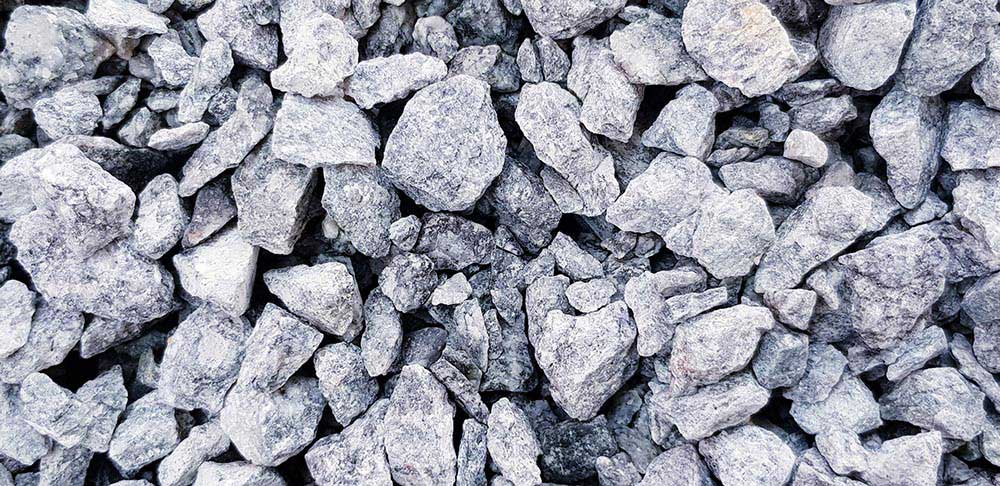
Specialty uses of limestone include the manufacturing of pharmaceuticals, toothpaste, paint, paper, caulking, and glass.
Energy & Biomass Pulverizers

One of the first uses for the cage mill was as a coal pulverizer. By 1900 Nathan Stedman had built more than 100 cage mills designed to crush coal.
Ceramic & Brick Clay Crushers
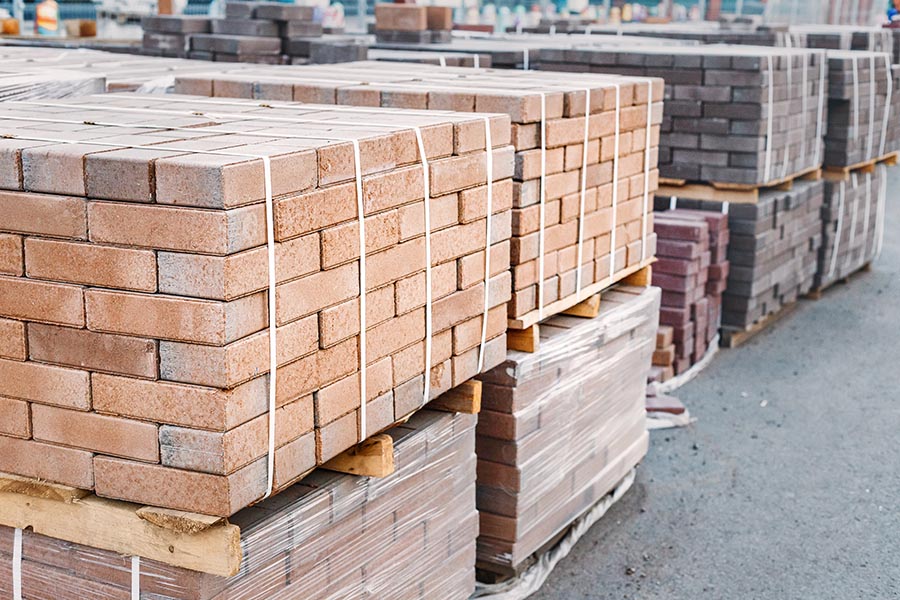
Stedman revolutionized material preparation for the brick, clay, and ceramic industries by introducing more cost-efficient processes.
Size reduction for a variety of minerals
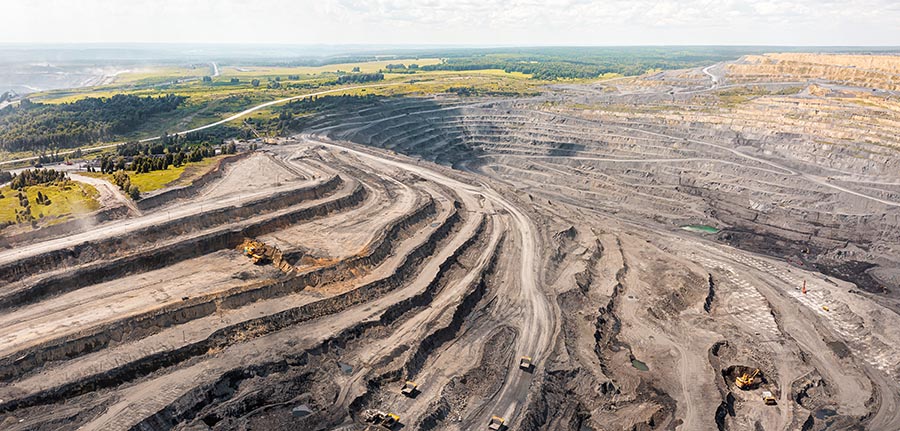
Stedman crushers, mills, and grinders are used in nearly every mineral and mining industry. Whether you are processing coal, rock, salt, iron ore, wood chips or clay, we have your solution to size reduction.
Industrial Food Rendering Crushers
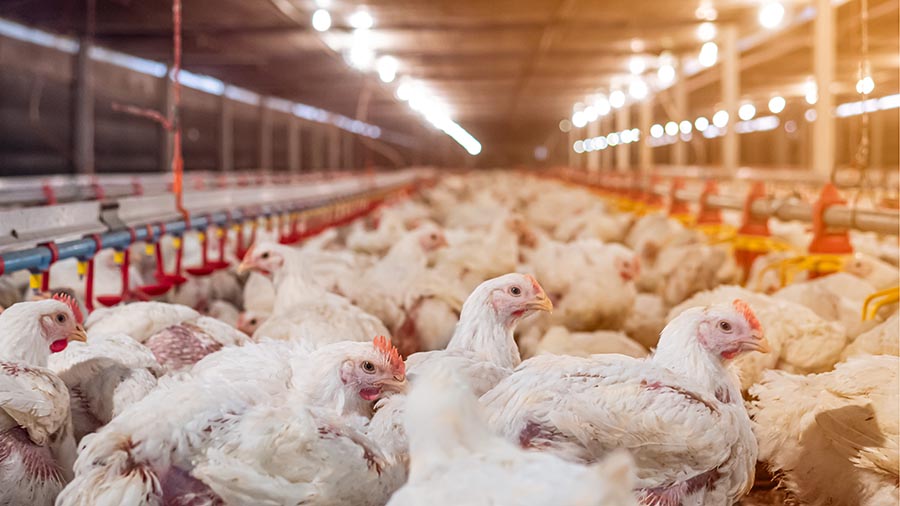
Stedman ensures nothing goes to waste by delivering reliable, durable pulverizers and crushers perfect for handling food waste and food rendering.
Agricultural Crushers
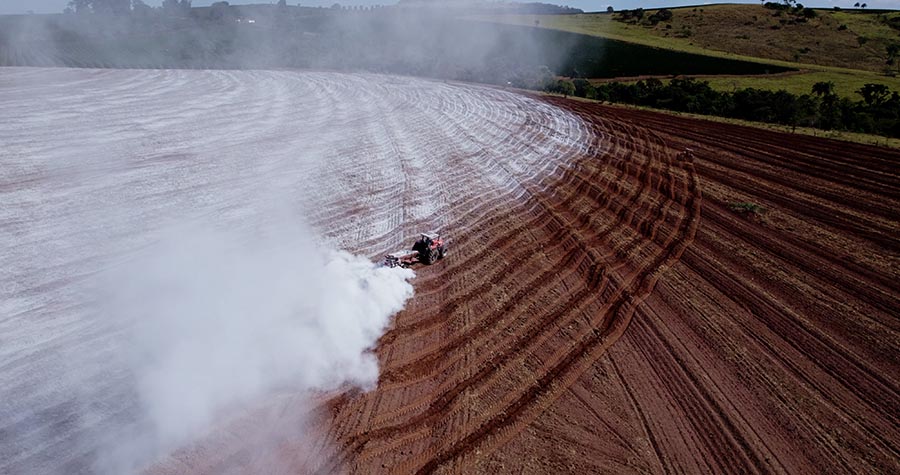
Stedman delivers high-performing pulverizers crushers perfect for agricultural uses including crushing lime, processing animal feed, and reducing grain corn.
Industrial Herb & Spice Crushing Equipment

Stedman delivers high-performing, low-maintenance pulverizers crushers ideal for large-scale grinding, milling, and processing of herbs and spices.
Grain Processing Equipment for Distilleries

Stedman delivers high-performing, low-maintenance pulverizers & crushers ideal for large-scale grinding and milling grain and corn to supply distilleries.
Fertilizer Crushing Equipment

Stedman’s reliable, durable lump breakers, chain mills, and cage mills are expertly engineered, sturdily constructed, and rigidly tested to meet the specifications you require for heavy-duty fertilizer processing and size reduction.
Why Stedman?
Delivering equipment and service you deserve
For nearly two centuries, Stedman Machine Company has produced quality, reliable and durable size reduction and industrial crushing equipment. Stedman has expert field service and installation technicians ready to assist with all maintenance and equipment commissioning needs.
- Unsurpassed industry experience – operating since 1834
- State-of-the-art equipment testing facilities
- Dedicated, professional staff
- Parts and service available 24 hours a day
Frequently Asked Questions
A cage mill reduces material through pin impacts inside spinning rows of cages, and our Copper Line design runs without screens, so material keeps moving instead of clogging. A hammer mill uses swinging hammers to force material through a screen, which is more prone to clogging on wet or sticky feed. If your material is moist or sticky, our cage mills are the better fit.
It comes down to how many reduction stages your material needs to hit your target particle size. Harder or coarser feed generally needs more rows to reach a fine, uniform product. Rather than guess, send us a sample through our Testing and Toll Processing Facility and we'll tell you the row count that gets you there.
Yes. Our Testing and Toll Processing Facility runs your material on full-size equipment, not scaled-down lab models, so what you see in testing is what you'll get in production. We've built more than 10,000 test reports this way, and we detailed the process in an article for Powder Bulk Engineering magazine.
Yes. We run a 24-hour parts and service department and keep wear parts in inventory so we can get replacement sleeves, bands, discs, and impact plates to you fast instead of leaving your mill down.
We support the asphalt industry with crushing equipment engineered to reduce RAP for further processing, and our cage mills handle aggregate and coal reduction that asphalt producers also rely on. If RAP is your primary material, tell us your feed size and target output and we'll confirm the right equipment for it.
We recommend starting with an exterior check: grease the bearing and shaft assemblies and confirm the labyrinth seals are expelling grease, which shows contaminants are being pushed out and bearings are staying protected. Interior inspection means opening the mill through the housing locks and pedestal clamps, then checking impact plates and sideliners for buildup and wear, and confirming the sleeves, bands, and discs still have intact hard coatings.
Contact Us
Our 24 hour parts and service department along with our inventory of wear parts allow us to provide the fastest response time for parts and service.